

2025 Highlights
We’re actively implementing innovative, nature-based solutions along the Southern California coast to adapt to climate change, enhance ecosystems, and benefit communities. Since 1990, our team of science and communications experts has been advancing research, restoration, and stewardship.
Abalone Restoration Program
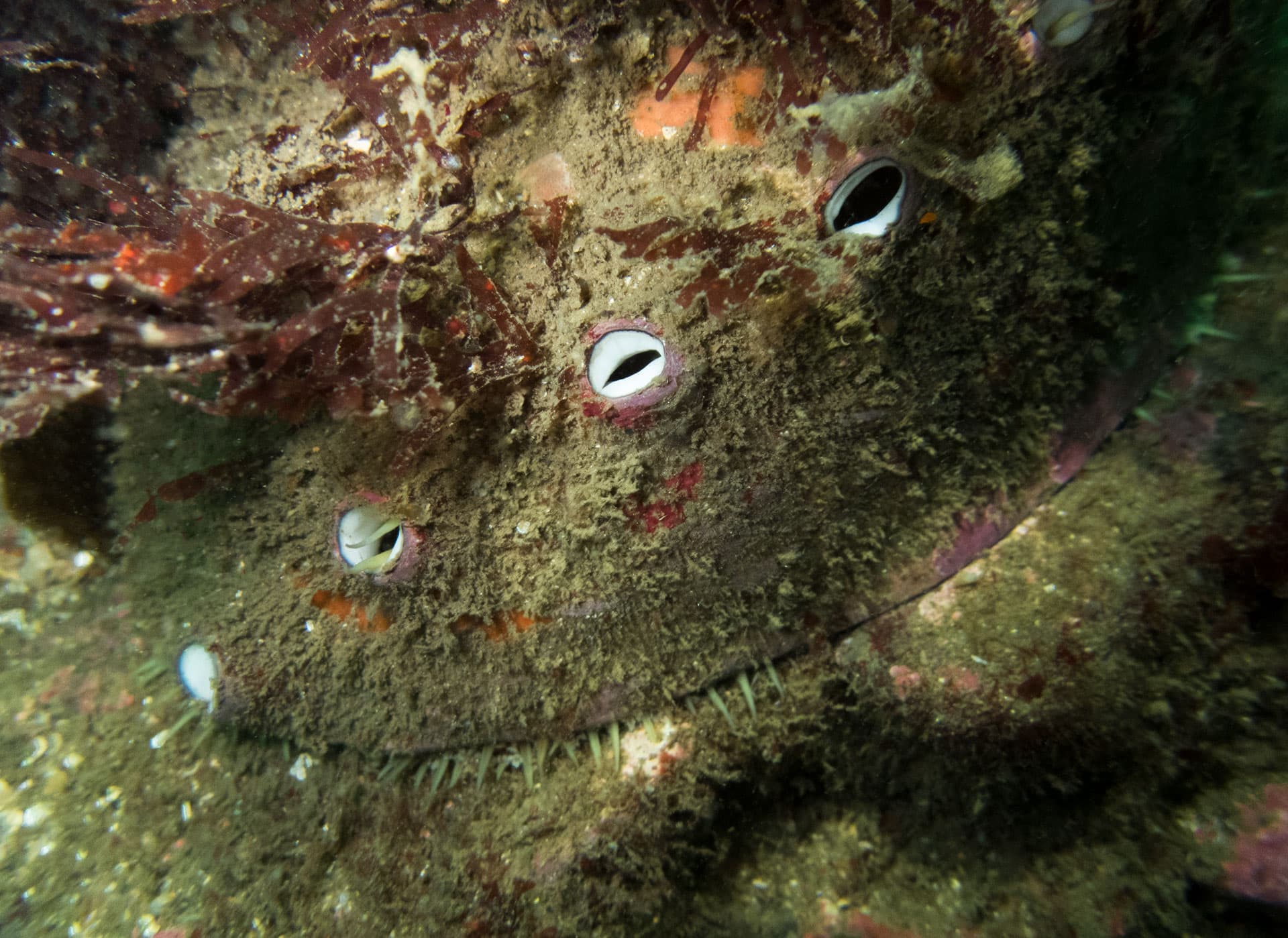
The kelp forests of Santa Monica Bay once teemed with seven species of abalone—red, pink, green, white, black, pinto, and flat. Through overharvesting in the past century, loss of kelp habitat, and disease, all seven species found in Southern California have been nearly wiped out.
As the primary competitors of sea urchins, these large underwater snails play an important role in maintaining healthy kelp ecosystems and have long been sought after by Californians for their cultural and economic importance. TBF is working to recover the species. In 2025, TBF outplanted (aka released into the wild) 3,096 white abalone and 10,218 red abalone.
Kelp Forest Restoration
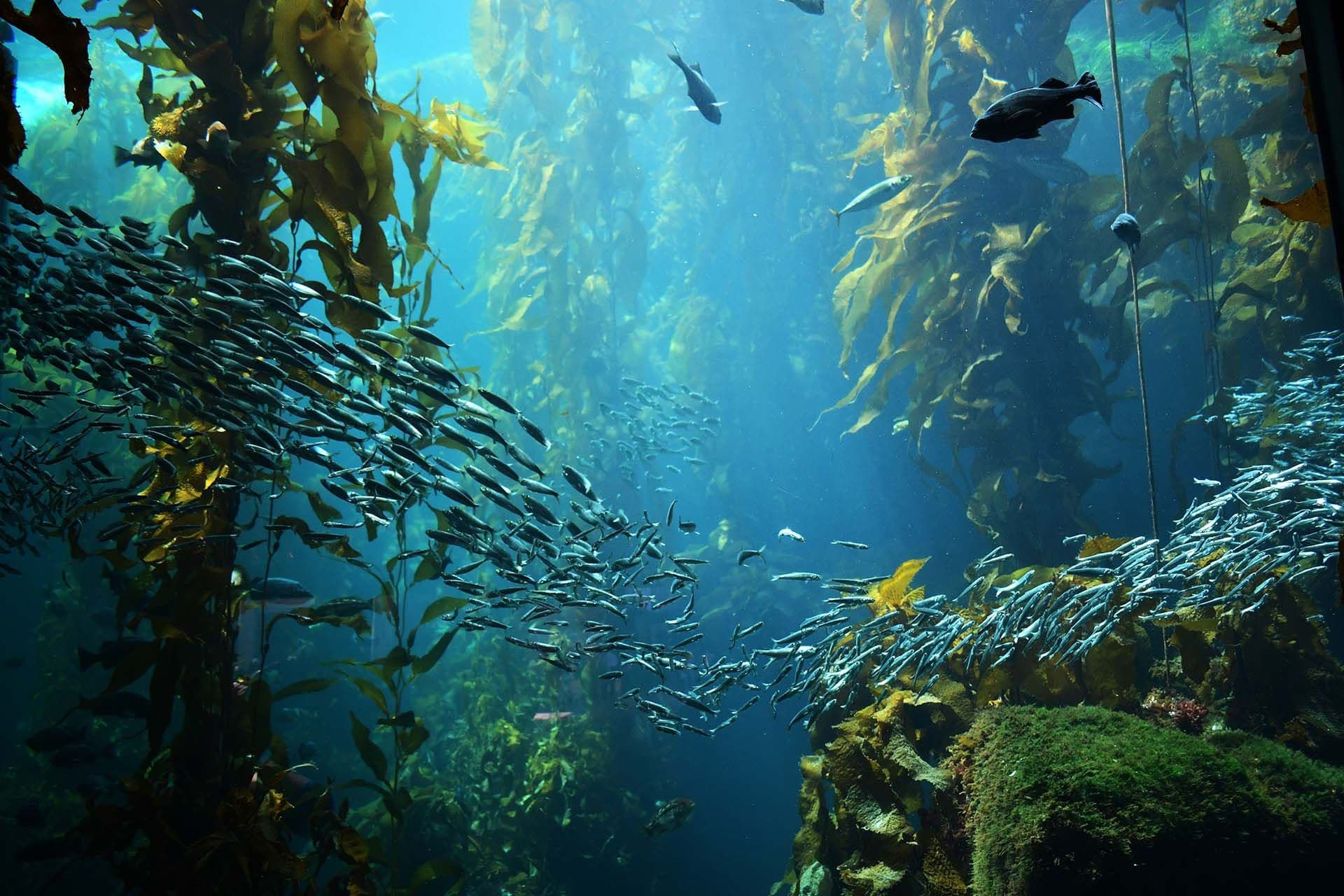
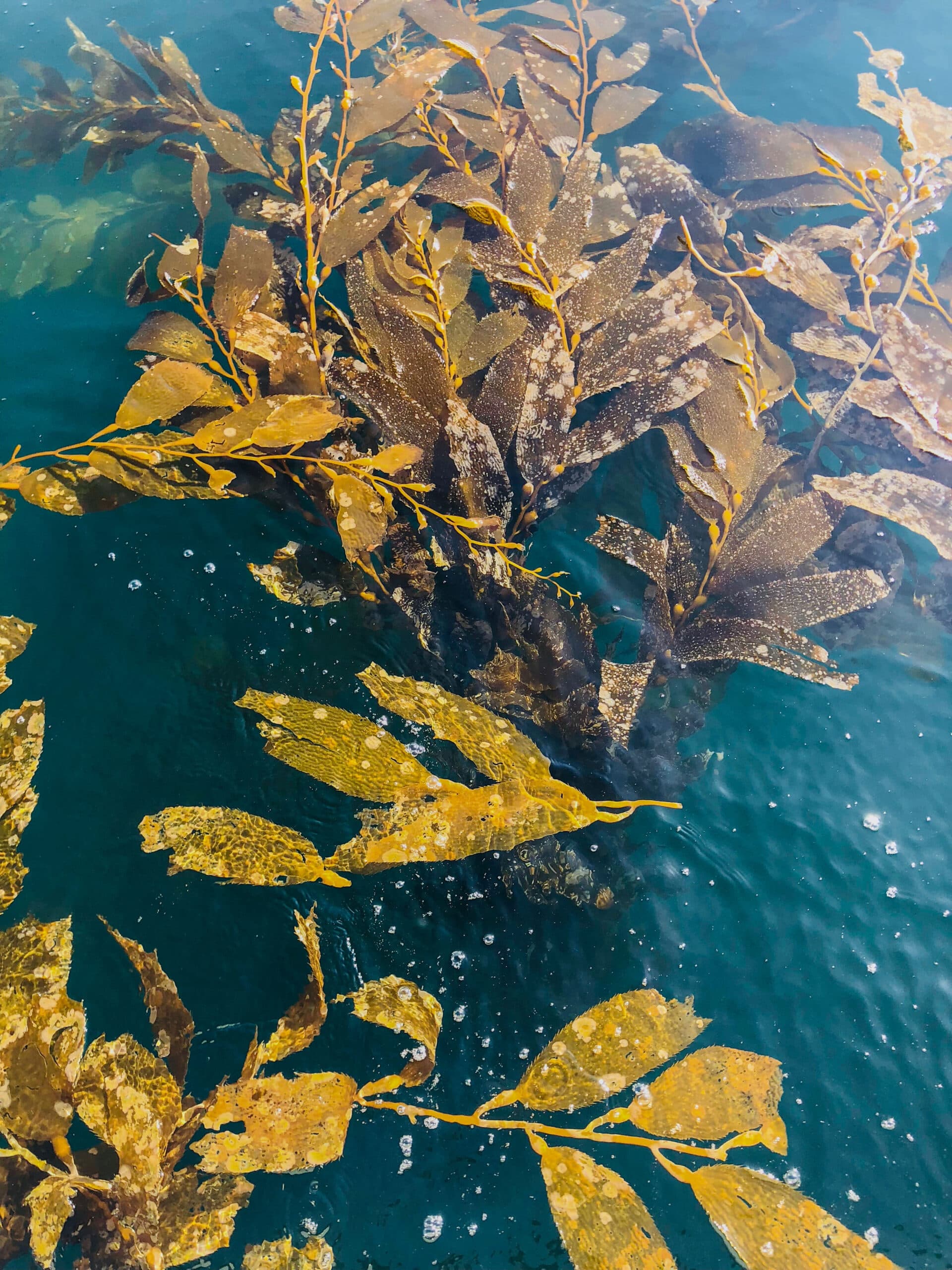
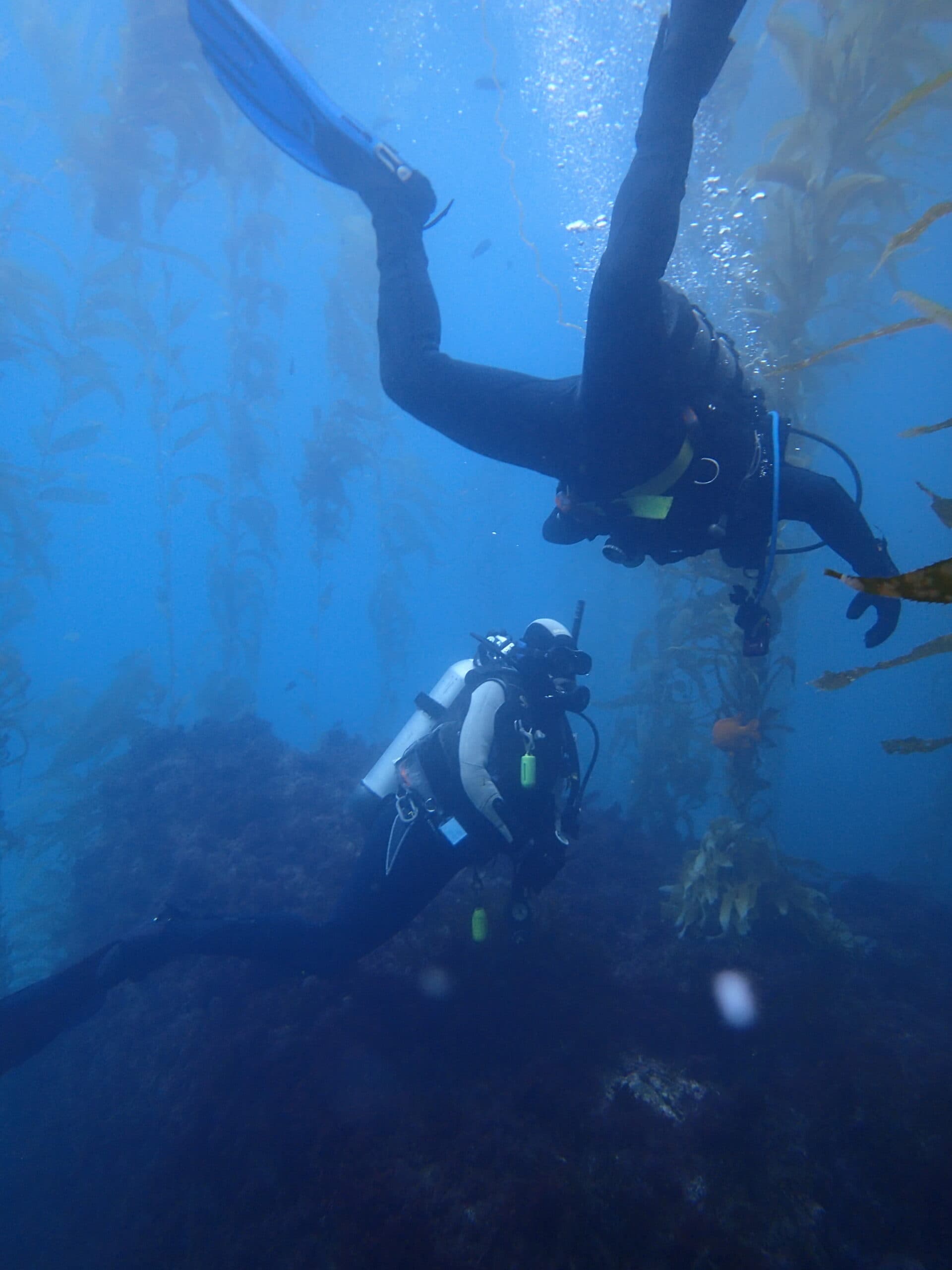
The kelp forest ecosystems off the Southern California coast are known to be some of the world’s most diverse and productive ecosystems. They are vital for providing habitat and food for over 700 marine species, many of which are the targets of California’s most lucrative sport and commercial fisheries. They also protect neighboring coastlines from erosion and pull in carbon dioxide from the ocean as they grow.
The Bay Foundation (TBF) is a world leader in the effort to restore kelp forests. In 2025, TBF celebrated 12 years of kelp forest restoration, with over 83 acres restored to date!
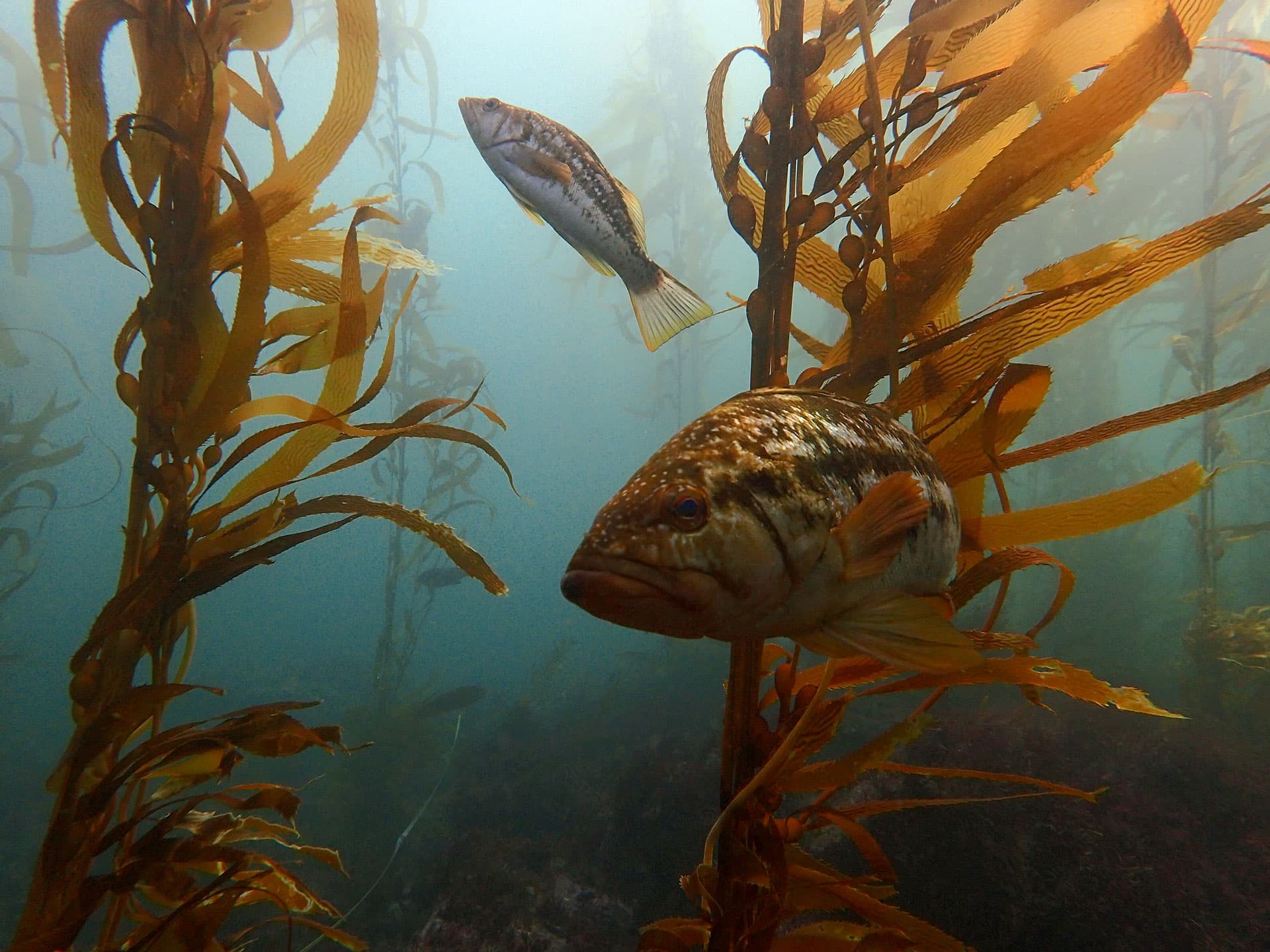
Table to Farm
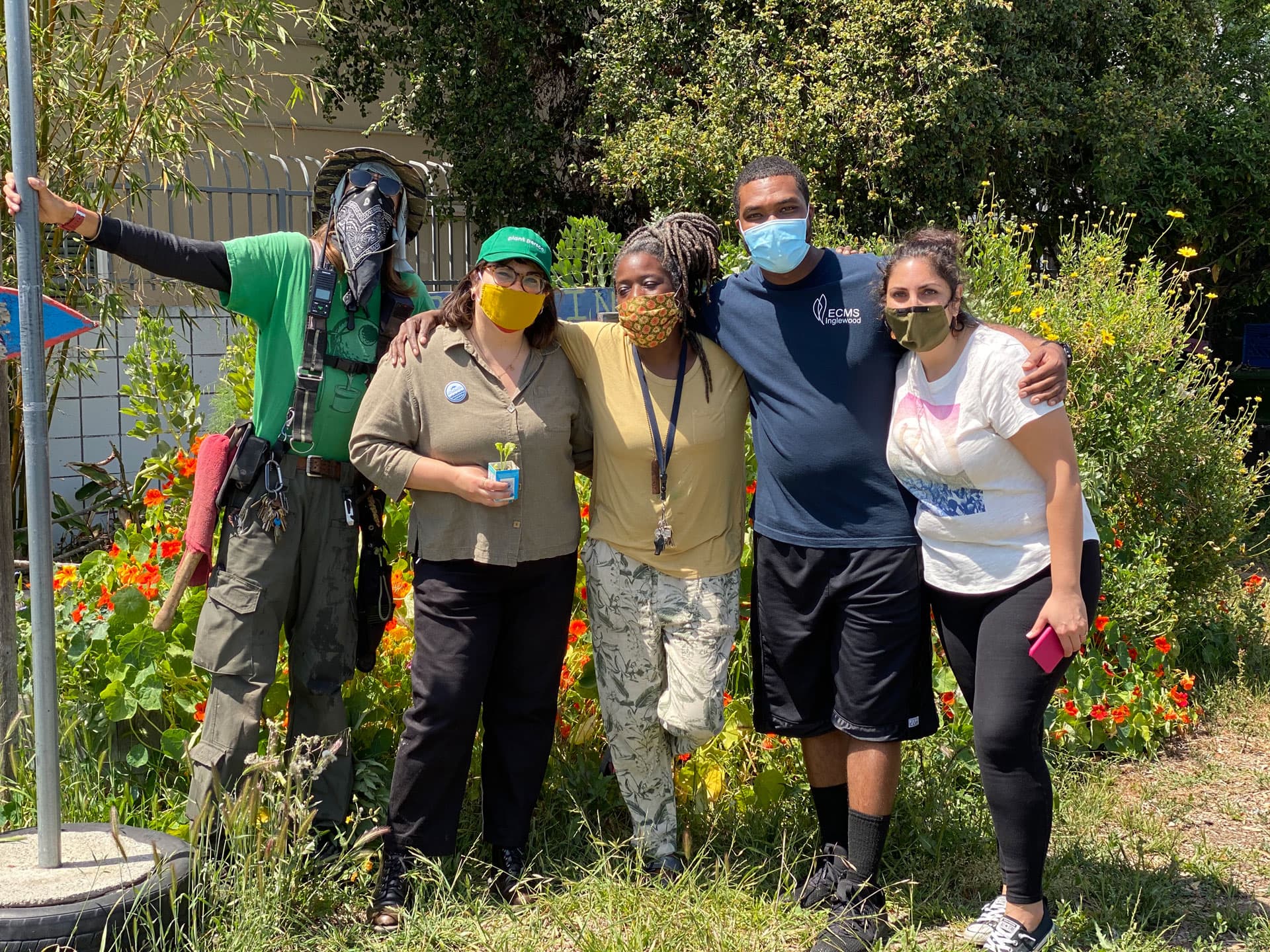
TBF’s Table to Farm works with Environmental Charter Schools to implement community composting and grow local fresh food. By composting locally, we reduce the need to transport waste to distant processing facilities, reducing smog-forming air pollutants and carbon dioxide emissions. At the same time, applying compost improves soil health, increases water retention, and enhances carbon sequestration in the soil.
In 2025, these community compost systems recycled over 1,000 pounds of food scraps locally.
Santa Monica Beach Dunes
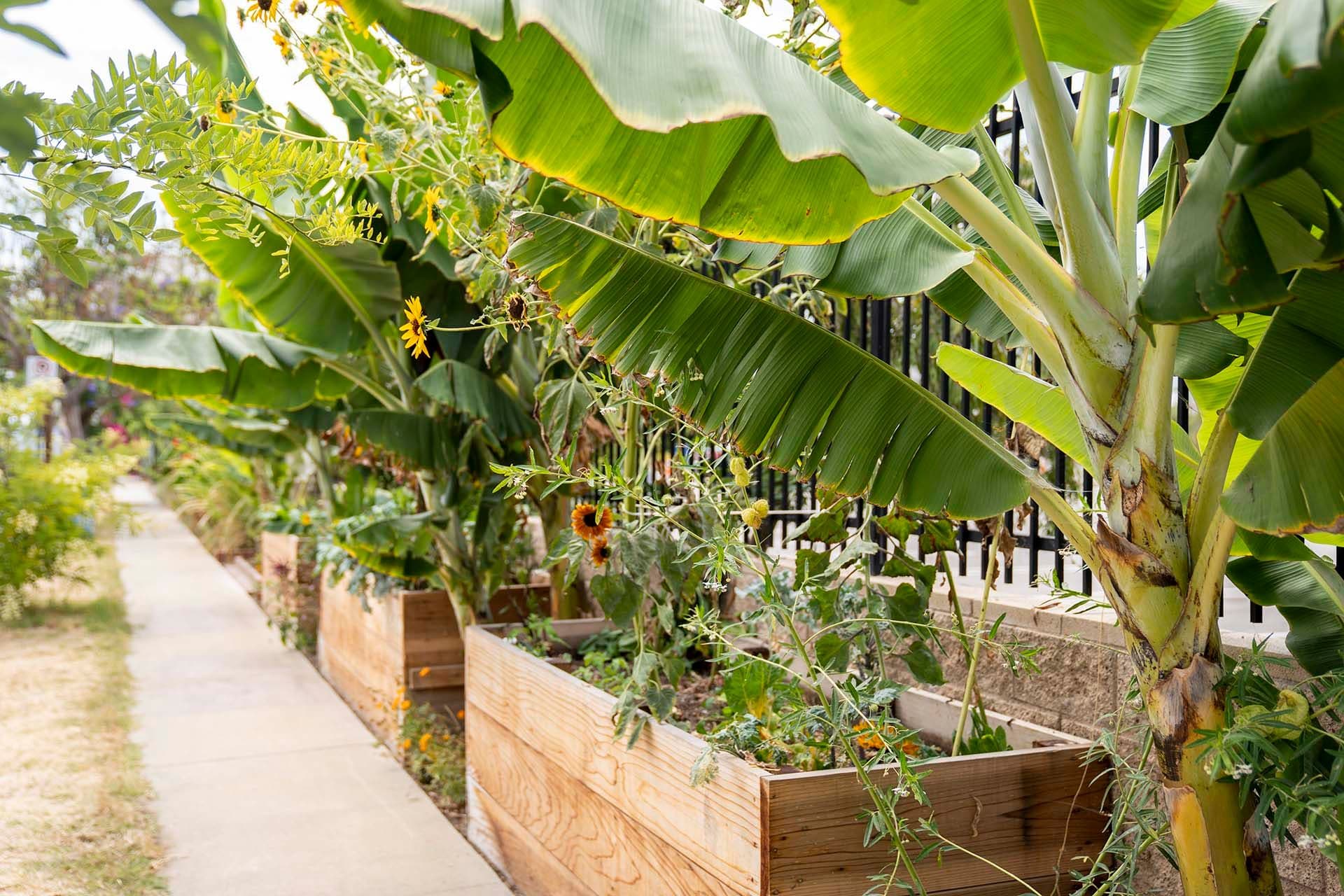
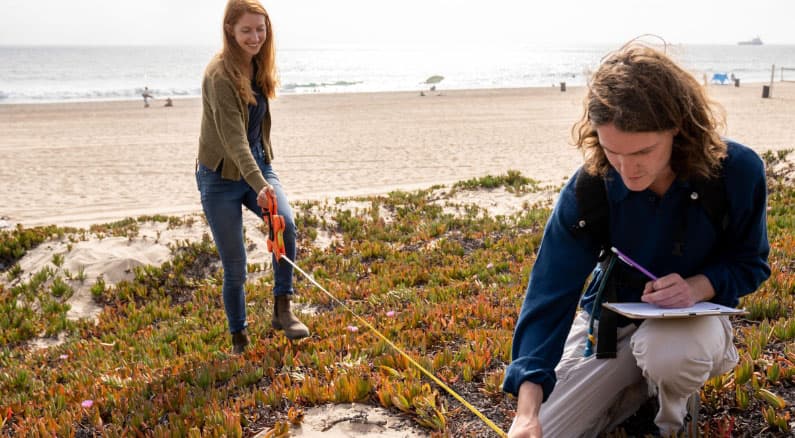
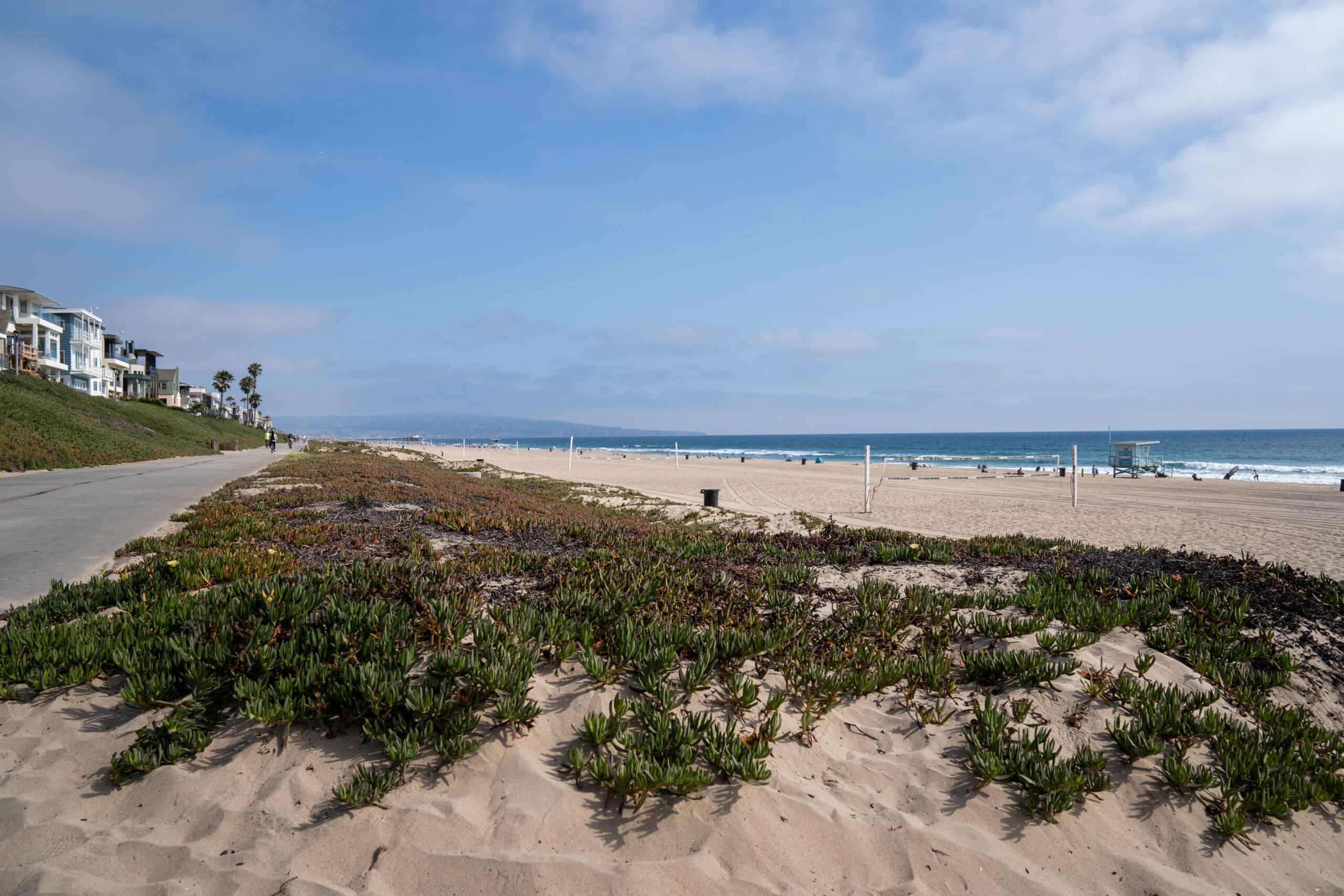
Los Angeles’ iconic beaches are recognized worldwide, serving as the heart of surf culture and the coastal lifestyle that defines Southern California. To reduce the threats of coastal erosion, flooding, sea level rise, and ensure future generations have a beach to enjoy, The Bay Foundation (TBF) is actively growing sand dunes in Santa Monica.
In 2015, we established our first dune restoration site covering approximately 3 acres, followed by an additional 5 acres in 2024. In 2026, in partnership with the City of Santa Monica and UCLA, we are expanding the Santa Monica Beach Dunes by an additional 30 acres.
Abalone Restoration Program
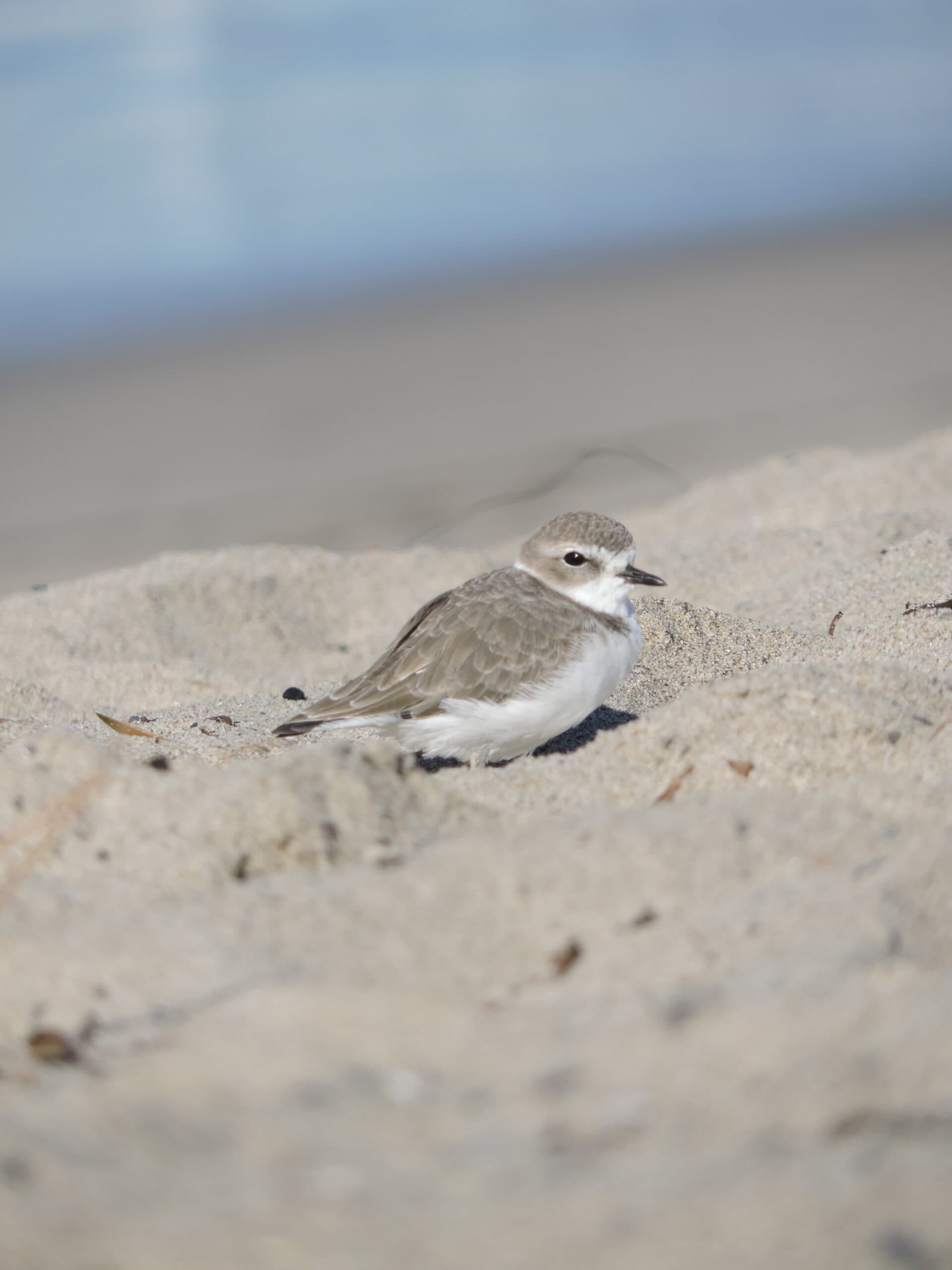
The kelp forests of Santa Monica Bay once teemed with seven species of abalone—red, pink, green, white, black, pinto, and flat. Through overharvesting in the past century, loss of kelp habitat, and disease, all seven species found in Southern California have been nearly wiped out.
As the primary competitors of sea urchins, these large underwater snails play an important role in maintaining healthy kelp ecosystems and have long been sought after by Californians for their cultural and economic importance. TBF is working to recover the species. In 2025, TBF outplanted (aka released into the wild) 3,096 white abalone and 10,218 red abalone.
Kelp Forest Restoration
The kelp forest ecosystems off the Southern California coast are known to be some of the world’s most diverse and productive ecosystems. They are vital for providing habitat and food for over 700 marine species, many of which are the targets of California’s most lucrative sport and commercial fisheries. They also protect neighboring coastlines from erosion and pull in carbon dioxide from the ocean as they grow.
The Bay Foundation (TBF) is a world leader in the effort to restore kelp forests. In 2025, TBF celebrated 12 years of kelp forest restoration, with over 83 acres restored to date!
Our Key Priorities
Our breadth and depth of work spans the ocean, coastline, and communities while addressing coastal resilience across these interconnected systems.

What Can You Do? Together We Can Make a Difference.
There are many ways to get involved and contribute to the restoration of the Santa Monica Bay and its watershed.

Help us to fulfill our ongoing mission of restoring and enhancing Santa Monica Bay through a charitable gift that directly supports our programs and partnerships.
Interested in helping us protect the Bay and the marine life, wildlife, and people that depend on it? Just a few hours of your time can make a huge difference in restoring the beaches, dunes, and cleaning up waterways.
Sign up to receive event announcements and newsletters with the latest information from TBF delivered straight to your inbox.
Daily habits can make a difference in our local ecosystems and enrich communities. Empower yourself by finding out what you can do.
The Bay Foundation is an entity of SMBNEP, one of 28 National Estuary Programs created by Congress in 1987. SMBNEP is dedicated to the preservation and restoration of coastal Los Angeles and promotes collaborative watershed-based partnerships and projects. The program’s Comprehensive Conservation and Management Plan (CCMP) is dedicated to ensuring a high quality of life for the 5,000 species and 4,000,000 people that call the Santa Monica Bay and its watershed home.